We understand the operational risks that ingredients and their supply chains can have on our business. For example, our fishmeal supply chain is dependent on fish stocks and is vulnerable to sea surface temperature rises which are caused by climate change. In comparison, the plant protein portion of our feed supply is vulnerable to fluctuations in temperature as well as shifts in rainfall patterns. It is therefore important that these types of vulnerabilities and potential impacts are identified and managed effectively.
To reduce our impacts to the environment and the society , as well as our operational exposure to risks, we aim to strengthening the proportion of sustainable, responsibly and locally sourced ingredients used in our feed products over time. We also aim to ensure our raw materials comply with pertinent regulatory food safety requirements, strict control of key biological, chemical and physical characteristics, components, and production methods to guarantee the quality of the product and the compliance and safety of the supply chain.
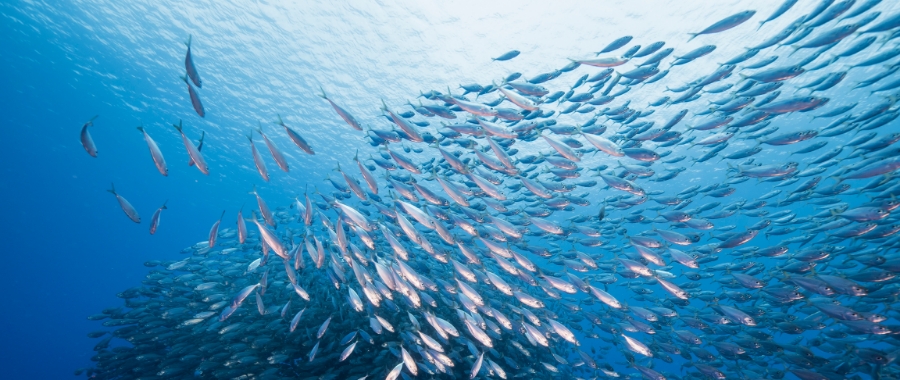
For marine sources of protein, we consistently follow the requirements of Best Aquaculture Practices or equivalent, ensuring that the ingredients used in our feed products come from areas that are free from overexploitation and not vulnerable to overfishing. We require suppliers to disclose critical sourcing information such as the country of origin, fishing zone, IUU (illegal, unreported, unregulated) fishing compliance, which allows us to trace raw materials, and prioritize sourcing from certified suppliers that adhere to protocols such as MarinTrust. MarinTrust certification ensures that the ingredients come from non-IUU fisheries that are well managed in accordance with the FAO (Food & Agriculture Organization) Code of Conduct for Responsible Fisheries, and that production is carried out to high standards of safety and quality, with emphasis given to the environmental protection, workforce and local communities.
For plant-based sources of protein, we work to support our suppliers in implementing sustainable agricultural practices that minimize impacts from land use (deforestation) or land use impacts on biodiversity. Our “Sustainable Sourcing Focus on Soya Products” within our Supplier Code of Conduct specifies the following, and encourages all soymeal suppliers to establish their own deforestation-free policies and practices:
- For all soy products, whether certified or not, we set clear goals for traceability to the country of origin, verification of chains of custody, exclusion of material derived from illegal deforestation, and exclusion of material derived from ecologically sensitive areas to ensure the raw material we purchase abide by the principles of environmental protection and sustainability.
- We encourage suppliers to implement good agricultural practices that can prevent climate change, conserve water resources, and protect our land.
Additionally, if feasible, we source plant-based proteins from recognized certified sources such as the U.S. Soy Sustainability Assurance Protocol (SSAP), the Round Table on Responsible Soy Association (RTRS) Certification and/or related RTRS credit scheme, the Roundtable on Sustainable Palm Oil (RSPO), and ProTerra to enforce the sustainability and traceability of the origin of the raw material.
Our focus is on continuously encouraging and assisting our suppliers in enhancing their business practices, particularly in achieving recognized certifications for sustainable aquaculture. We aim to increase the percentage of responsibly sourced, sustainable, and locally derived ingredients in our feed products.